

Tour codeINC4D3N
Inca Trail 4 Days, 3 Nights
4.9 · 123 reviews on TripadvisorExplore the Inca Trail: a sensory experience that activates your mind and awakens your emotions.
The 4-day, 3-night Inca Trail takes you through stunning Andean landscapes, ancient archaeological sites and challenging mountain trails. Starting at KM 82, the route crosses the Warmiwañusca pass at 4,215 m (13,828 ft), passes the beautiful sites of Runkurakay and Wiñay Wayna, and ends at the majestic citadel of Machu Picchu.
Along the way you enjoy spectacular views, rich Inca history and the camaraderie of fellow adventurers, immersed in the natural beauty and mystique of the Sacred Valley.
At a glance
The Inca Trail 4 Days, 3 Nights is a camping trek from KM 82 to Machu Picchu that crosses Warmihuañusca (Dead Woman's Pass) at 4,215 m (13,828 ft) and reaches the citadel through the Sun Gate on Day 4. It includes a bilingual guide, porters, camping, buffet meals and the return train and bus, from US$699 per person.
- Start
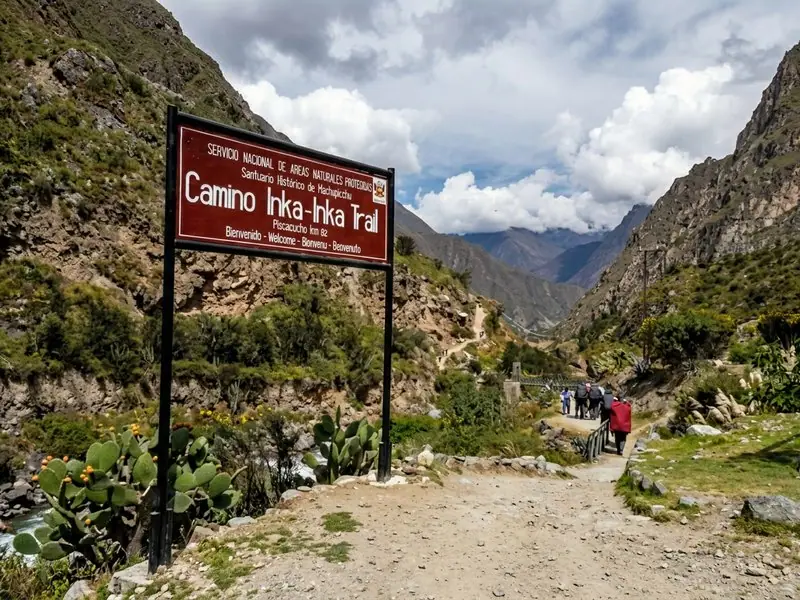
- KM 82, after a bus ride from Cusco
- Finish
- Machu Picchu via the Sun Gate (Inti Punku)
- Highest point
- Warmihuañusca, 4,215 m (13,828 ft)
- Camps
- Ayapata / Wayllabamba, Pacaymayo, Wiñayhuayna
- Group size
- 2 to 16 people
- Machu Picchu tour
- About 3 hours with your guide
- Closed
- Every February
Updated · Permit rules by SERNANP and Peru's Ministry of Culture
Tour Details
Why hike the Classic Inca Trail
Warmihuañusca: the Summit of the Inca Trail
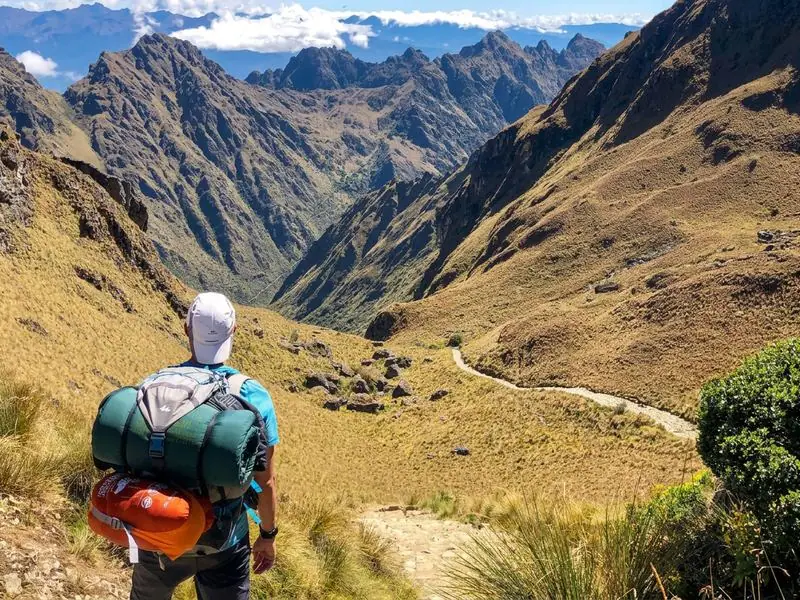
This is the highest point of the trek (4,215 m (13,828 ft)) and the toughest physical challenge along the way. You reach it on the second day, after a demanding climb from the Llulluchapampa valley. Its name, Dead Woman's Pass, comes from the mountain's silhouette, which from certain angles resembles the profile of a reclining woman. From the top you see Nevado Verónica and the deep Andean gorge that opens towards the Pacaymayo valley, where the group camps that night. It is the most photographed and most remembered moment of the trek.

Wiñay Wayna: the Site That Announces the Cloud Forest
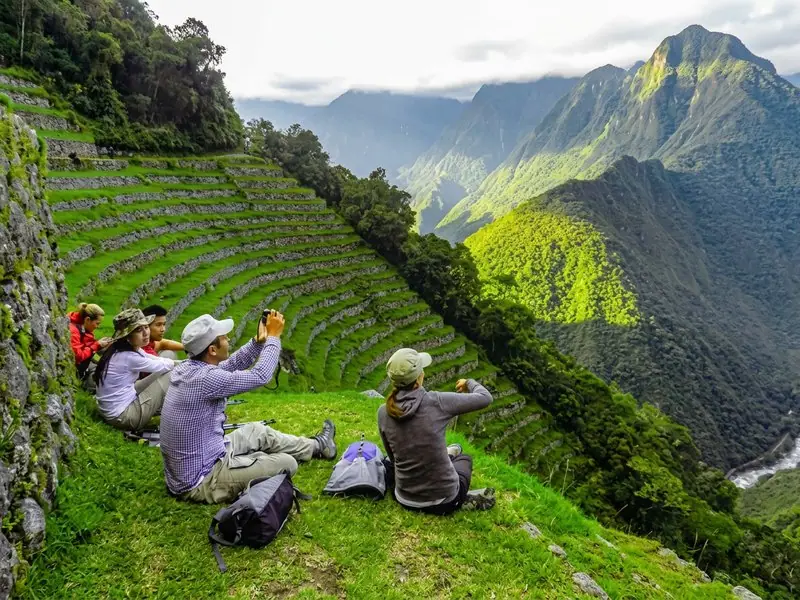
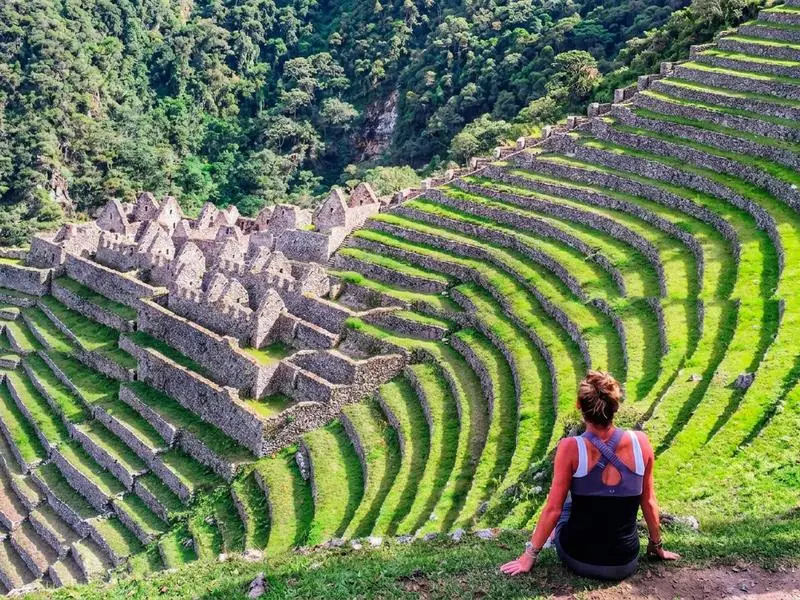
At 2,650 m, Wiñay Wayna ("forever young" in Quechua) is one of the best-preserved archaeological complexes on the route. It combines amphitheatre-shaped agricultural terraces with ceremonial water fountains that still work today, just as they did centuries ago. The last campsite before Machu Picchu is here, so you spend your final night practically inside an Inca site, surrounded by mist and cloud-forest vegetation.

Sayacmarca: the Fortress on the Cliff
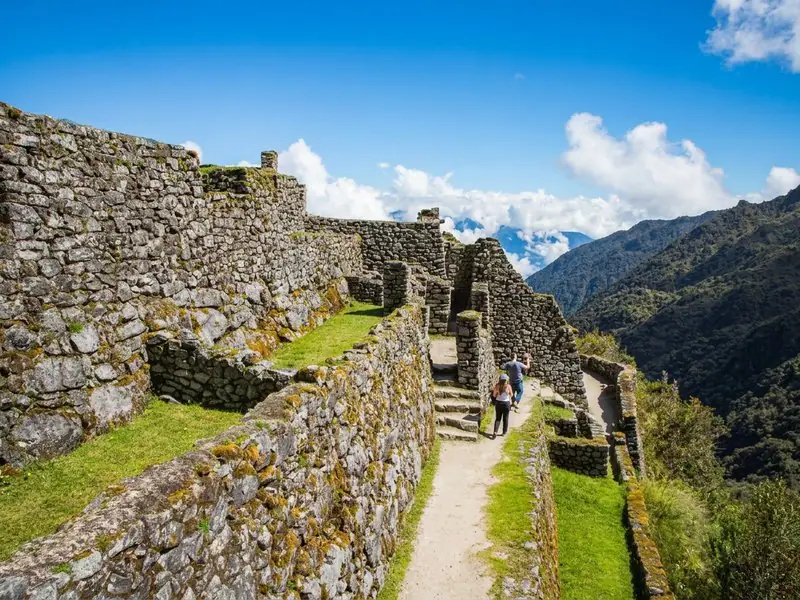
Built on a rocky promontory above the Aobamba river valley, Sayacmarca ("inaccessible place" in Quechua) impresses with its strategic location and irregular architecture adapted to the terrain. It is believed to have had ceremonial functions and to have controlled access towards the Antisuyo region. You visit it on the third day, during the longest and most varied stretch of the trek.

Inti Punku: the Sun Gate at Sunrise
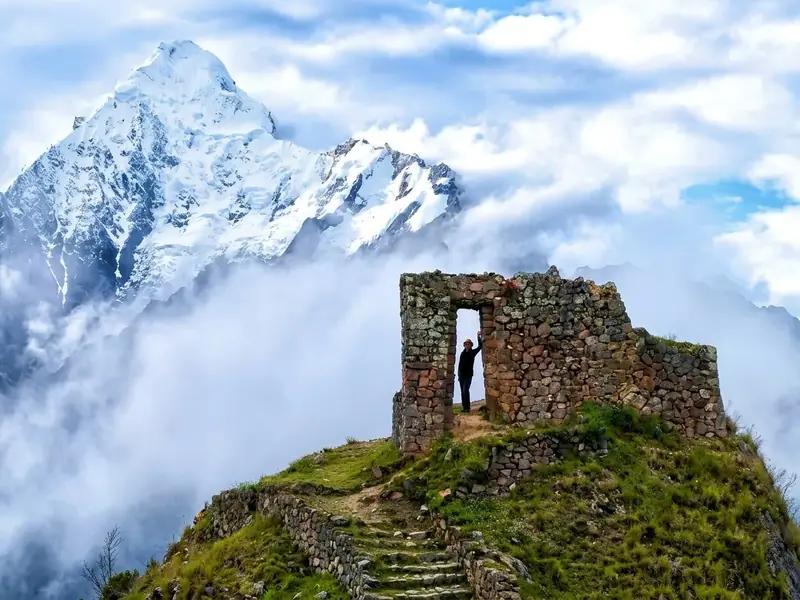
For many, this is the peak moment of the journey. After leaving the final campsite at 3:30 am with headlamps on, you reach Inti Punku as the sun rises and catch the first panoramic view of Machu Picchu with Huayna Picchu in the background. In Inca times the gate was a ceremonial checkpoint into the sacred city, and during the summer solstice the sun aligns with the entrance and lights up the Temple of the Sun.

Itinerary: day by day
- Day 1Wayllabamba3,300 m
- Day 2Pacaymayo camp3,500 m
- Day 3Wiñayhuayna camp2,650 m
All stops and altitudes
| Day | Stop | Altitude |
|---|---|---|
| 1 | Hatunchaka | 3,000 m (9,843 ft) |
| 1 | Wayllabamba | 3,300 m (10,827 ft) |
| 2 | Ayapata | 3,300 m (10,827 ft) |
| 2 | Llulluchapampa | 3,850 m (12,631 ft) |
| 2 | Warmihuañusca (Dead Woman's Pass) | 4,215 m (13,829 ft) |
| 2 | Pacaymayo camp | 3,500 m (11,483 ft) |
| 3 | Runcuracay | 3,750 m (12,303 ft) |
| 3 | Runcuracay Pass | 3,950 m (12,959 ft) |
| 3 | Sayacmarka | 3,650 m (11,975 ft) |
| 3 | Phuyupatamarca | 3,600 m (11,811 ft) |
| 3 | Wiñayhuayna camp | 2,650 m (8,694 ft) |
Day 1
Cusco – KM 82 – Patallacta – Wayllabamba – Ayapata
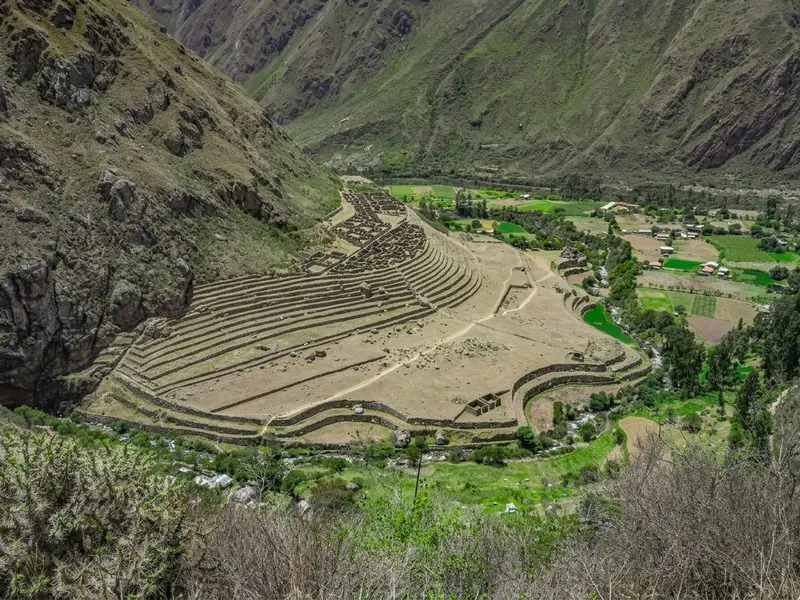
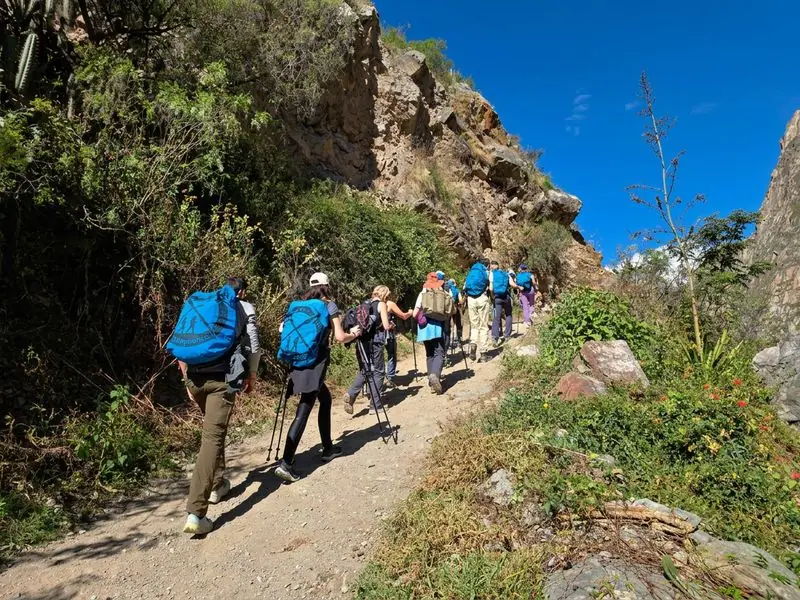
Our journey on the Inca Trail begins early in the morning. We leave Cusco (3,400 m (11,150 ft)) by bus at 5:30 am, passing large agricultural fields and villages that preserve their ancient traditions.
KM 82 is the meeting point with the support team (porters) and the start of the Inca Trail. After a three-hour hike we have lunch in Hatunchaka (3,000 m), a small village where you can buy water and snacks and use the restrooms.
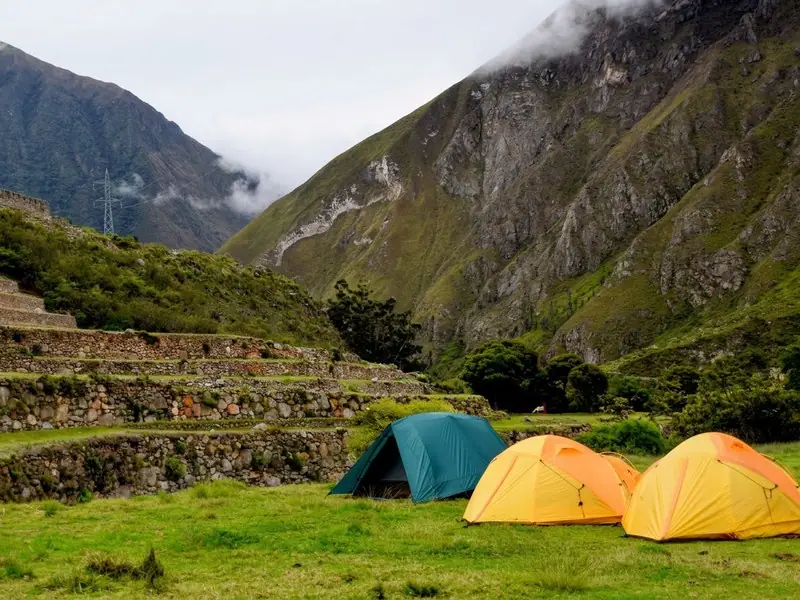
We then continue to our camp at Wayllabamba (3,300 m), the last village on the route.
Includes today:
- Bus pickup in Cusco and transfer to KM 82
- Lunch and dinner
- Bilingual professional guide and briefing
- Camping at Ayapata / Wayllabamba
Day 2
Wayllabamba – Llulluchapampa – Warmihuañusca – Pacaymayo
We start our second day early, with a beautiful and peaceful sunrise. In the morning we climb through the Ayapata ravine (3,300 m) to Llulluchapampa (3,850 m), and then to the highest point of the trek, Warmihuañusca (4,215 m (13,828 ft)), where you see the impressive snow-capped Mount Verónica.
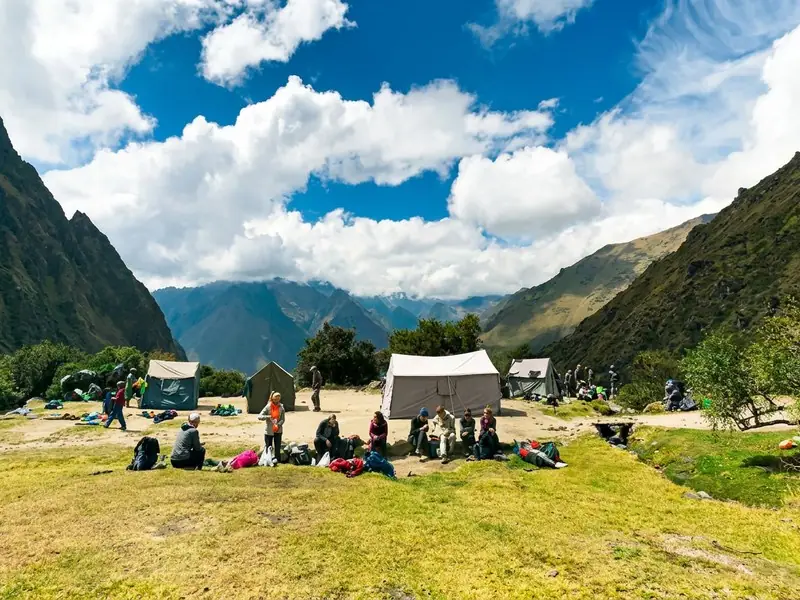
After enjoying the view we descend to the Pacaymayo valley (3,500 m), where we have lunch and spend the night at the camp of the same name.
Includes today:
- Lunch
- Bilingual professional guide
- Camping at Pacaymayo
Day 3
Pacaymayo – Runcuracay – Phuyupatamarca – Wiñayhuayna
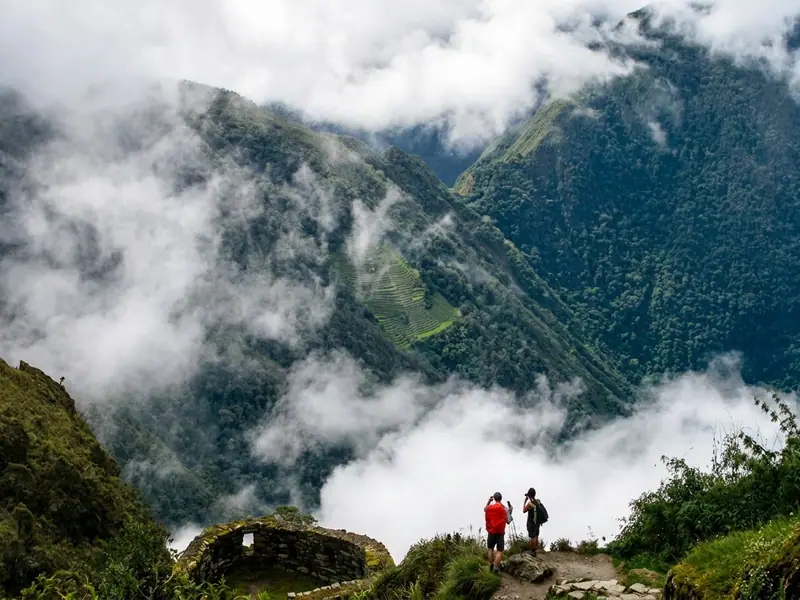
The third day is the longest and the most beautiful, because the ecosystem keeps changing. In the morning we continue to the Runcuracay pass (3,950 m (12,960 ft)), with a panoramic view of the Aobamba valley (3,400 m) and the tropical forest below, which becomes denser as we go.
We visit the archaeological sites of Runcuracay (3,750 m), Sayacmarka (3,650 m) and Phuyupatamarca (3,600 m), where we have lunch before continuing to the last camp at Wiñayhuayna (2,650 m).
Includes today:
- Lunch
- Bilingual professional guide
- Camping at Wiñayhuayna
Day 4
Wiñayhuayna – Machu Picchu – Cusco
We wake up at 3:00 am and walk with headlamps to the checkpoint. There is no traditional breakfast on this day. After an hour of hiking we pass through the Sun Gate (Inti Punku) (2,720 m (8,924 ft)), a natural viewpoint over Machu Picchu and its mountain backdrop.
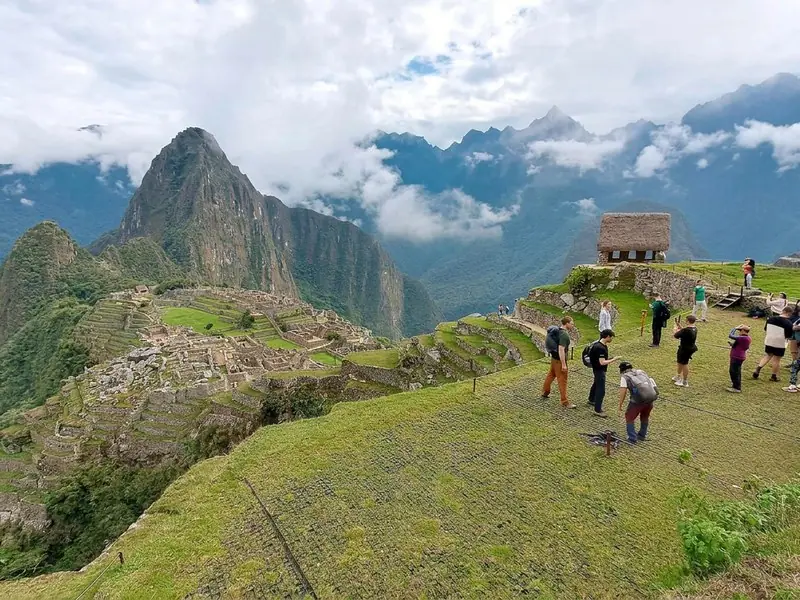
We continue along the Inca Trail to the citadel of Machu Picchu, where you can take your postcard photo. Then your guided tour of about 3 hours begins: sacred fountains, rooms, squares, the Temple of the Sun, the House of the Inca and the agricultural and urban sectors of this UNESCO World Heritage Site.
Later we take the bus down to Aguas Calientes, where you can stroll, eat and buy souvenirs before the train and bus ride back to Ollantaytambo and Cusco in the afternoon or evening.
Includes today:
- Guided tour of Machu Picchu (about 3 hours)
- Bus to Aguas Calientes
- Return train and bus to Cusco
What's included
Includes
- Pickup from Cusco
- Buffet meals
- Transfers
- Briefing
- Bilingual professional guide
- Camping accommodation
- Support team (porters)
- Bus to Aguas Calientes
- Return train and bus
Not included
- Tips
- Gear rental (sleeping bag, trekking poles, sleeping pad)
- Personal expenses and extra drinks
What Travelers Say
4.9/5 from 123 reviews on Tripadvisor-
Really unforgettable
“This trip to Cusco was much more than a walk, it was a gift to the soul.”
Katty Marita A · March 2026
-
Recommended Travel
“The Lagoon of 7 Colors exceeded my expectations, a magical place.”
ESTHER MILAGROS C · December 2025
-
Connecting with Peru via VIAJAXMUNDO
“I am deeply grateful for the very personalized and first-rate attention received by the agency VIAJAXMUNDO!”
Vivian Gisela P · September 2025
Excerpts from reviews on Tripadvisor, translated from Spanish by Tripadvisor. Read all reviews on Tripadvisor
How to prepare
Acclimatization
ImportantCusco sits at 3,400 m (11,150 ft), so spend at least one or two days in the city before starting the trek. The Inca Trail reaches its highest point at Warmihuañusca (4,215 m (13,828 ft)), and proper acclimatization lets you enjoy the trek more and reduces the symptoms of altitude sickness (soroche).
Required documents
RequiredCarry your original passport or valid ID at all times. Permits are personal and non-transferable and are checked at control points along the trail, at the train station and at Machu Picchu. Students who want a discount must show a valid student ID when booking and during the tour.
Money and payments
WarningBring cash in Peruvian soles for personal expenses, snacks or additional services during the trek. Cusco has ATMs and shops that accept cards, but on the trail and in remote areas cash is the only payment method.
Best time to travel
TipCusco has two main seasons: the dry season (May to September), with clear skies but colder nights, and the rainy season (December to April), with fewer crowds but more rain. Our recommendation is April and May, when the weather is pleasant and the landscape is lush and green.
Safety on the trek
ImportantFollow your guide's instructions and keep to the scheduled times each day, because permits and campsite access are strictly regulated. Keep your belongings secure and walk only on the marked trail.
Packing list
-

Small travel backpack
For your personal items, water, documents and daily essentials on the trek. Maximum 40 litres, since you carry it yourself the whole way.
-
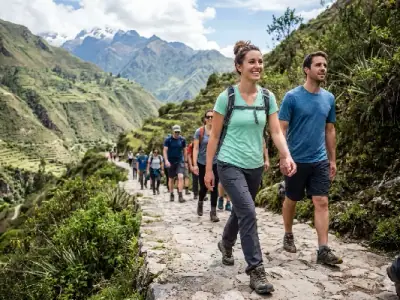
Comfortable, lightweight clothing
Comfortable, quick-drying clothing that lets you move easily on long walking days and changing terrain.
-
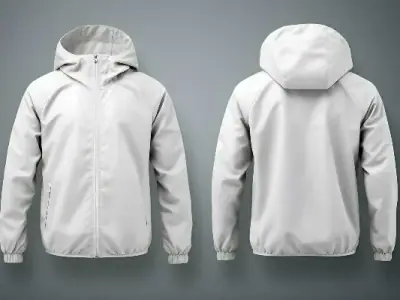
Waterproof jacket or windbreaker
Protects you from sudden changes in weather. The Inca Trail is open almost all year, rain or shine, and the weather changes fast at high points like Warmihuañusca.
-
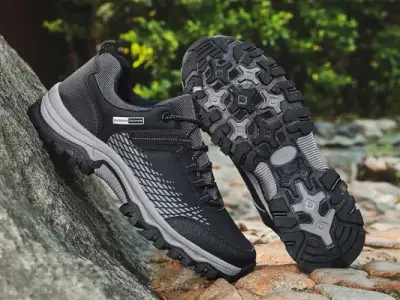
Comfortable walking shoes
Sturdy, broken-in hiking shoes that give comfort and stability on uneven terrain over four days.
-

Sunscreen
Essential to protect your skin from solar radiation at high altitude and during long hours outdoors.
-

Cap or hat
Recommended for sun protection on hikes, at archaeological sites and during outdoor activities.
-

Reusable water bottle
Keeps you hydrated throughout the journey and helps protect the environment.
-
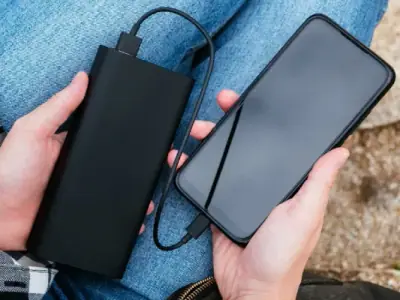
Portable battery
Keeps your phone, camera and other devices charged during the trek.


Inca Trail 4 days, 3 nights: what to know before you book
The four days at a glance
| Day | Route | Highest point | Night |
|---|---|---|---|
| 1 | Cusco – KM 82 – Hatunchaka – Wayllabamba | 3,300 m | Camp at Ayapata / Wayllabamba |
| 2 | Wayllabamba – Llulluchapampa – Warmihuañusca – Pacaymayo | 4,215 m (13,828 ft) | Camp at Pacaymayo (3,500 m) |
| 3 | Pacaymayo – Runcuracay – Sayacmarka – Phuyupatamarca – Wiñayhuayna | Runcuracay Pass, 3,950 m (12,960 ft) | Camp at Wiñayhuayna (2,650 m) |
| 4 | Wiñayhuayna – Sun Gate – Machu Picchu – Aguas Calientes – Cusco | Inti Punku, 2,720 m (8,924 ft) | Back in Cusco in the afternoon or evening |
Is this the right Inca Trail tour for you?
We run two versions of the 4-day trek from KM 82. Both follow the same trail over Warmihuañusca to the Sun Gate and finish with a guided tour of Machu Picchu. This page is the group version: it departs with a minimum of two travellers and a maximum of 16, and you bring or rent your own sleeping bag, sleeping pad and trekking poles.
It suits hikers who are happy to share transport and campsites with other travellers, who already own decent trekking gear or don't mind renting it, and who want the route organised with a guide, porters, buffet meals and the return train and bus. If you travel alone, or you want more of the camping kit included, look at our Classic Inca Trail to Machu Picchu instead.
What's included, and what you bring or pay
- Included: pickup from Cusco and the bus to KM 82, a briefing, a bilingual professional guide, the support team of porters, camping accommodation, buffet meals, the guided tour of Machu Picchu (about 3 hours), the bus down to Aguas Calientes and the return train and bus to Cusco.
- Not included: tips, gear rental (sleeping bag, trekking poles, sleeping pad), personal expenses and extra drinks.
- Your own pack: up to 40 litres, carried by you every day, with water, documents, rain jacket and warm layers. Ask us when you book how much personal gear the porters can take.
- Cash in soles: for snacks, drinks and tips. Cards are not accepted on the trail; Hatunchaka, the lunch stop on Day 1, is the place to buy water and snacks.
- The last morning: there is no traditional breakfast on Day 4 because of the 3:00 am start, so keep a snack in your pack until Aguas Calientes.
- Permit and Machu Picchu entry: both are personal, non-transferable and checked against your passport. Confirm with us how they are itemised on your quote when you book.
Permits and how far ahead to book
The Inca Trail works on a daily quota of 500 permits, and only about 200 of them go to trekkers; the rest cover guides, cooks and porters. Only a licensed operator can buy them, in your name and with your passport number, and the name cannot be changed once the permit is issued. For departures in May to September, book 4 to 6 months ahead; quieter months give you more margin.
To start a booking we need each hiker's full name exactly as printed on the passport, the passport number, nationality and date of birth, and your preferred start date. An alternative date a day or two either side helps, because the quota is counted per start day. Release dates and the latest rule changes are in our guide to Inca Trail permits for 2027.
How hard it is and how to prepare
The trek is rated challenging, and most of the effort comes on Day 2: a long climb from Wayllabamba through Llulluchapampa (3,850 m) to Warmihuañusca at 4,215 m (13,828 ft), then a steep descent to Pacaymayo. Day 3 is the longest, with a second pass at Runcuracay and many stone stairs down to Wiñayhuayna. Day 4 starts at 3:00 am, but the walk to the Sun Gate takes about an hour.
The best preparation is time in Cusco (3,400 m (11,150 ft)): one or two days there before Day 1 let your body adjust before the climb. In the weeks before, walk hills or stairs with a loaded pack and break in your shoes. Our article on how hard the Inca Trail is goes through each day and how to train.
When to go
| Period | What to expect |
|---|---|
| May to September (dry season) | Clear skies and cold nights at camp. Highest demand for permits, so book earliest. |
| April and May | Our recommendation: pleasant weather and green, lush landscapes. |
| December to April (rainy season) | Fewer crowds and more rain. A good waterproof jacket is essential. |
| February | The trail closes every year for maintenance, so there are no departures. |
Why go organised, and how to book
You cannot hike the Inca Trail on your own: permits are sold only to licensed operators and every trekker walks with a licensed guide. Booking with us means the transfer to KM 82, the porters, the camps, the meals, the Machu Picchu tour and the train back are arranged around your start date. Your part is to arrive acclimatized and to carry your original passport for the control points, the train station and Machu Picchu.
To check availability, send us your preferred dates and the number of hikers through the inquiry form on this page or by WhatsApp. We reply with availability for your date and the next steps to secure your place. Plan to be in Cusco at least one or two days before Day 1.
Frequently asked questions
How difficult is the Inca Trail?
It is a challenging trek, mainly because of the altitude rather than the distance. Day 2 is the toughest, climbing to Warmihuañusca at 4,215 m (13,828 ft).
How many days should I stay in Cusco before the trek?
At least 1 to 2 days of acclimatization in Cusco are recommended before starting the Inca Trail.
What is the best time to do the Inca Trail?
April and May offer the best balance of clear skies and green landscapes, though the trail is open almost all year. It closes only in February.
Do I need a passport for the trek?
Yes. Your original passport (or valid ID) is required at every checkpoint, because permits are personal, non-transferable and checked along the way.
How much cash should I bring?
Enough soles for snacks, tips and personal expenses, since cards are not accepted along the trail.
How far in advance should I book?
Daily permits are limited, so book 4 to 6 months in advance, especially for the high season (May to September).
What is the difference between this tour and the Classic Inca Trail?
Both follow the same route from KM 82 over Warmihuañusca to the Sun Gate and Machu Picchu. This tour departs with at least two travellers, and sleeping bags, sleeping pads and trekking poles are not included, so you bring or rent them. The Classic Inca Trail runs from one traveller and includes more of the camping kit.
Do I need my own sleeping bag and sleeping pad?
Yes. Gear rental (sleeping bag, trekking poles and sleeping pad) is not included in this tour, so bring your own or rent them. Ask us about rental when you book.
Is breakfast served on the last day?
No traditional breakfast is served on Day 4, because the group wakes at 3:00 am to walk to the checkpoint and the Sun Gate. Keep some snacks in your pack; you can eat in Aguas Calientes after the Machu Picchu tour.
What time do we get back to Cusco?
After the Machu Picchu tour and free time in Aguas Calientes, you take the train to Ollantaytambo and the bus to Cusco in the afternoon or evening of Day 4. Avoid booking a flight out of Cusco that night.
Can I book this tour if I travel alone?
This departure needs a minimum of two travellers. If you are on your own, the Classic Inca Trail runs from one person, or contact us to check whether a group date suits you.
Send us your inquiry
Inca Trail 4 Days, 3 Nights
Important Information
Inca Trail Ruins: Every Site You See on the Way to Machu Picchu
The Classic Inca Trail passes six major Inca sites before Machu Picchu. What each one is, what to look for, on which day of the trek you reach it and at what altitude.
Read more →Machu Picchu Circuits 2027: All 10 Routes, Times and Which Ticket to Choose
Your Machu Picchu ticket is one circuit, one route and one entry hour. Maps of all 10 official routes, how long each allows and how to pick the right one for 2027.
Read more →How Hard Is the Inca Trail? Difficulty Day by Day, From Our Guides
The Classic Inca Trail is a challenging 42 km hike over four days, with one brutal morning on Day 2. Here is what each day really feels like, what makes it hard and how to prepare.
Read more →All Inca Trail tours
Compare every Inca Trail route we operate, from the 4-day trek to the short Inca Trail.
Read more →Alternative treks to Machu Picchu
No permit left? Salkantay and Choquequirao are spectacular routes that need no Inca Trail permit.
Read more →Machu Picchu travel guide
Tickets, circuits, opening hours and how to get to the Inca citadel.
Read more →


