
Ancash
Áncash is a region in northern Peru where the landscape changes completely within just a few hours of travel: desert beaches along the Pacific coast, fertile valleys fed by the Santa River, and the highest snow-capped peaks in the country. It’s also one of Peru’s richest regions for archaeology, home to one of the oldest civilisations in the Andes.
Áncash is in west-central Peru, with a coastline on the Pacific Ocean and borders with the regions of La Libertad, Huánuco and Lima. It covers 35,459 km² (about 13,690 square miles) and is split into two very different landscapes: the coast, marked by desert and sea, and the highlands, dominated by the Andes mountains.
Its capital is Huaraz, sitting at 3,052 metres above sea level (about 10,010 feet), right in the Callejón de Huaylas valley, which serves as the starting point for most of the region’s attractions. Huaraz is connected to Lima by bus (roughly 7 to 8 hours) or by direct flights from the capital, which take about an hour.
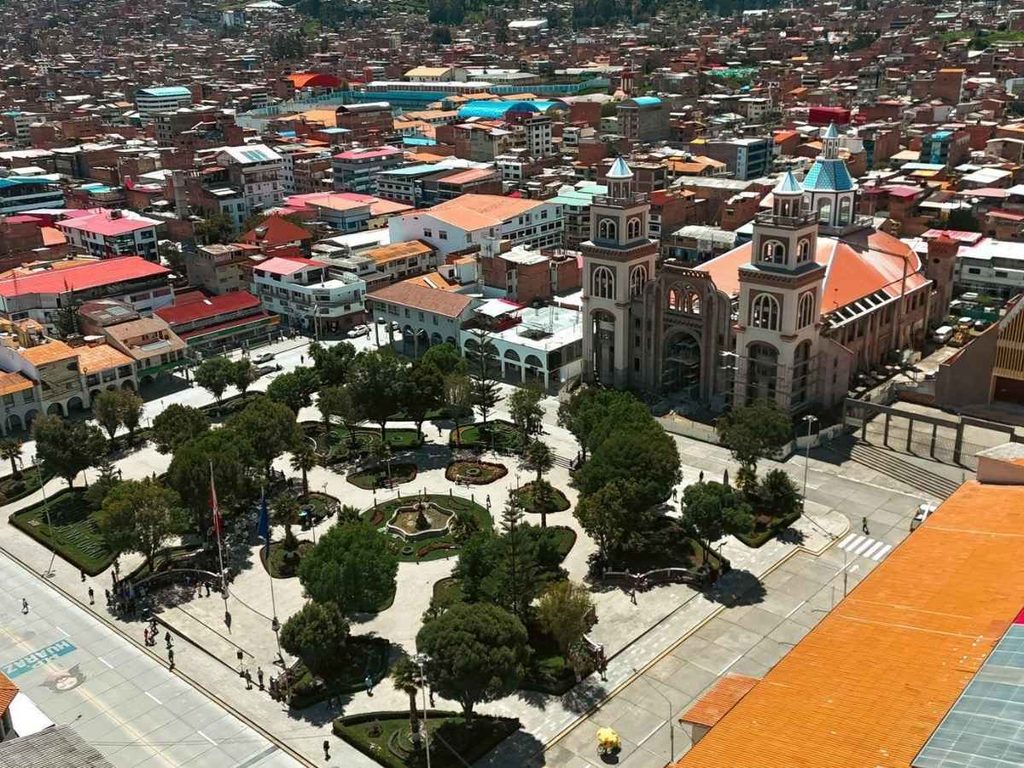
History: From the Chavín Culture to Modern-Day Áncash
Áncash’s history goes back thousands of years. Long before the Inca arrived, the region was home to one of the most influential early civilisations in the Andes: the Chavín culture, which developed between around 1500 and 300 BC around the temple of Chavín de Huántar. This was a ceremonial and pilgrimage centre that drew people from across the Andean world to worship its deities. Thanks to its monumental architecture, underground galleries and intricate stone carvings, the site was named a UNESCO World Heritage Site in 1985. Other pre-Inca cultures, such as the Recuay and the Huaylas, also left their mark on the region’s local art and architecture.
When the Inca arrived, Áncash became part of the Inca Empire (Tahuantinsuyo), and later, during Spanish colonial rule, it became part of the Viceroyalty of Peru — a period that saw churches and monasteries built throughout the Callejón de Huaylas valley. The region also played an important role in Peru’s independence: in 1824, Simón Bolívar set up a strategic military base in the town of Yungay, where troops were organised before going on to fight in the Battle of Junín.
During the 20th century, Áncash saw real economic growth, but it also faced major challenges — most notably the 1970 earthquake, one of the deadliest in Peru’s history, which badly damaged Yungay and other towns in the Callejón de Huaylas. Today, the region blends that history — shaped by both nature and hardship — with a strong identity built around its ancient ruins, mountain landscapes and Andean traditions.
Áncash’s Climate
The climate here changes a lot depending on altitude. Along the coast, in cities like Chimbote, it’s warm and dry, with temperatures between 15°C and 25°C (59°F to 77°F) year-round and very little rain. In the mountain valleys, like Huaraz, days tend to be mild and sunny, while nights get quite cold, sometimes dropping to 0°C (32°F). In the highest areas, such as the Cordillera Blanca mountain range, temperatures drop below freezing and snowfall is common. The dry season, from May to September, usually brings the clearest skies for outdoor activities.

Places to Visit in Áncash
Huascarán National Park. Named a UNESCO Natural World Heritage Site, this park protects much of the Cordillera Blanca, including Huascarán, Peru’s tallest mountain at 6,768 metres (22,205 feet). It’s home to hundreds of glacial lakes, tropical glaciers, and a wide variety of Andean plants and animals.
Callejón de Huaylas. A long valley surrounded by mountains, home to towns like Huaraz, Caraz and Yungay. It’s the natural gateway to most of the Cordillera Blanca’s attractions and offers some genuinely stunning scenery.
Cordillera Blanca. Considered a world-class destination for mountaineering, this range includes some of Peru’s highest and most challenging peaks, including Huascarán and Alpamayo. Within it, you’ll also find glacial lakes such as Laguna 69, Laguna Churup, Laguna Llanganuco, and Laguna Parón, the largest lake in the whole range.
Chavín de Huántar. The region’s most important archaeological site and one of Peru’s oldest pre-Inca sites, over 3,000 years old. Its plazas, platforms and underground galleries — lit only by natural sunlight — show just how advanced the culture that built it really was.
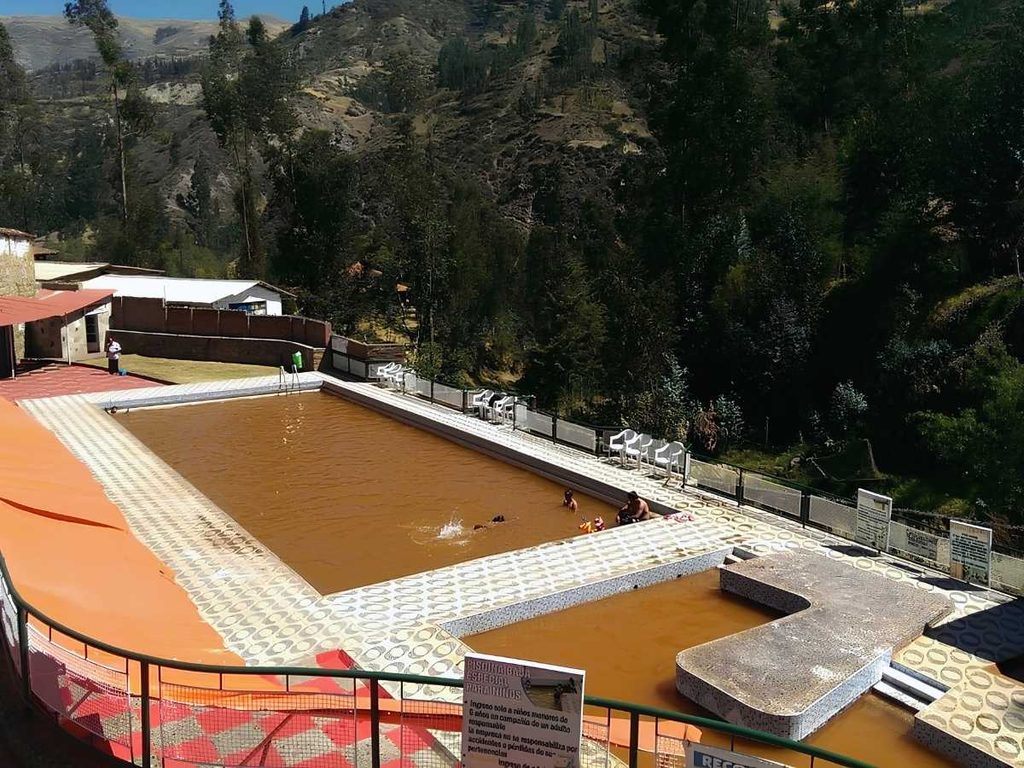
Monterrey Hot Springs. Thermal baths near Huaraz, traditionally used for rest and relaxation, set in a calm natural environment.
Cordillera Huayhuash. South of the Cordillera Blanca, this is another mountain range known worldwide for its multi-day trekking routes, considered among the most spectacular in South America.
Nature and High-Altitude Wildlife
Beyond its glaciers, Áncash is also home to high-altitude grasslands and Andean forests where you’ll find wildlife such as the Andean condor, the vizcacha (a type of wild chinchilla), and various high-altitude bird species. The Santa River, which runs through the Callejón de Huaylas, is one of the region’s most important waterways and feeds the fertile valleys that support farming for many local communities.
Communities in the Callejón de Huaylas and Callejón de Conchucos valleys keep their ancestral traditions alive through festivals such as the celebration of the Virgin of the Assumption, known locally as “Mama Ashu,” as well as through traditional dishes from the local cuisine, including cuchicanca, patasca, llunca and charqui (dried, salted meat).
Áncash brings together some of South America’s most impressive mountain scenery with one of the oldest archaeological legacies in the Andes. Its combination of snow-capped peaks, glacial lakes and ancient ceremonial sites like Chavín de Huántar makes it a place where geography and history seem to tell the same story, side by side.