

Tour codeCHQ4D3N
Choquequirao Trek 4 Days, 3 Nights
4.9 · 123 reviews on TripadvisorChoquequirao, the Golden Cradle of the Incas. The Choquequirao Trek is a thrilling 4-day hike for adventure lovers looking for unforgettable experiences along ancient Inca trails.
Along the route you discover the ceremonial plazas and temples of Choquequirao and breathtaking natural landscapes. With a bit of luck, you will also watch condors flying across the Andean sky.
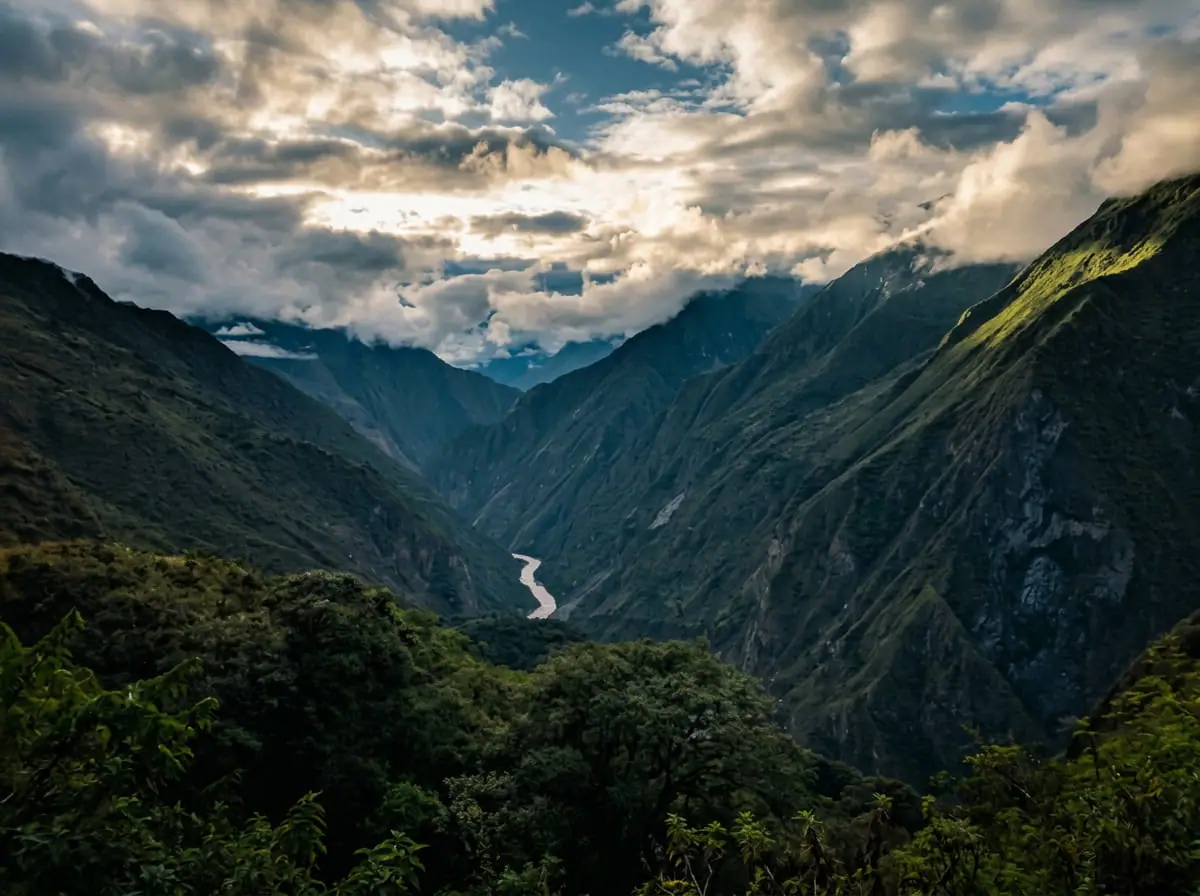
The trek crosses several altitude levels (ecological tiers), so you experience different microclimates and temperatures and a rich diversity of flora and fauna. Embark on this unique adventure and live an unforgettable experience in Choquequirao.
At a glance
The Choquequirao Trek is a 4-day, 3-night guided hike from Cusco via Cachora and the Apurimac Canyon to the Inca citadel of Choquequirao, with nights in rural lodges at Chikiska, Marampata and Santa Rosa Baja. The hardest day is Day 2, a 1,500-metre climb in 3 to 4 hours, and the highest point is 3,040 m at Choquequirao.
- Start
- Plaza Regocijo, Cusco, at 6:30 am
- Trailhead
- Cachora and the Capuliyoc viewpoint
- Highest point
- Choquequirao, 3,040 m (Day 3)
- Hardest day
- Day 2: 1,500 m climb in 3 to 4 hours
- Accommodation
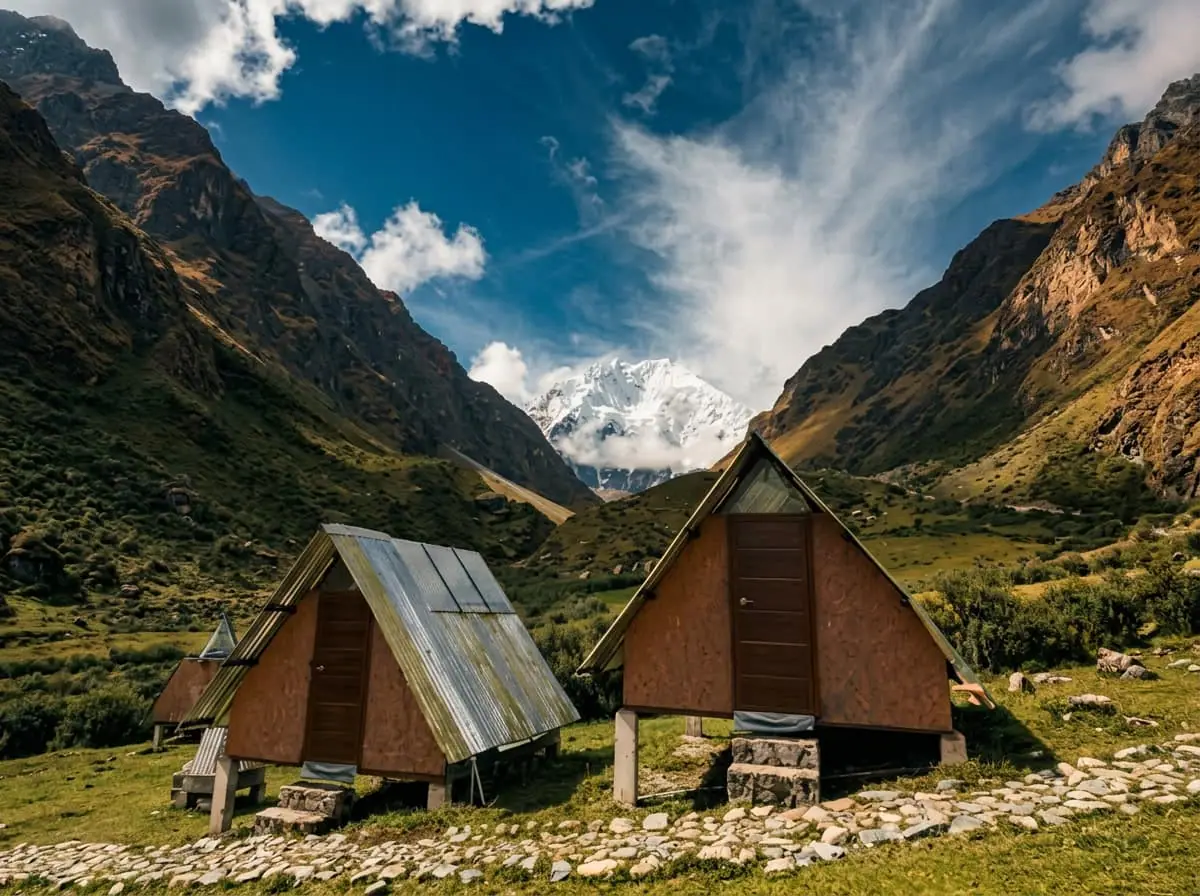
- Rural lodges in Chikiska, Marampata and Santa Rosa Baja
- Departures
- Group departures every Monday
- Back in Cusco
- Around 21:00 on Day 4
Updated · Permit rules by SERNANP and Peru's Ministry of Culture
Tour Details
Why hike the Classic Inca Trail
Saywite and the Capuliyoc Viewpoint
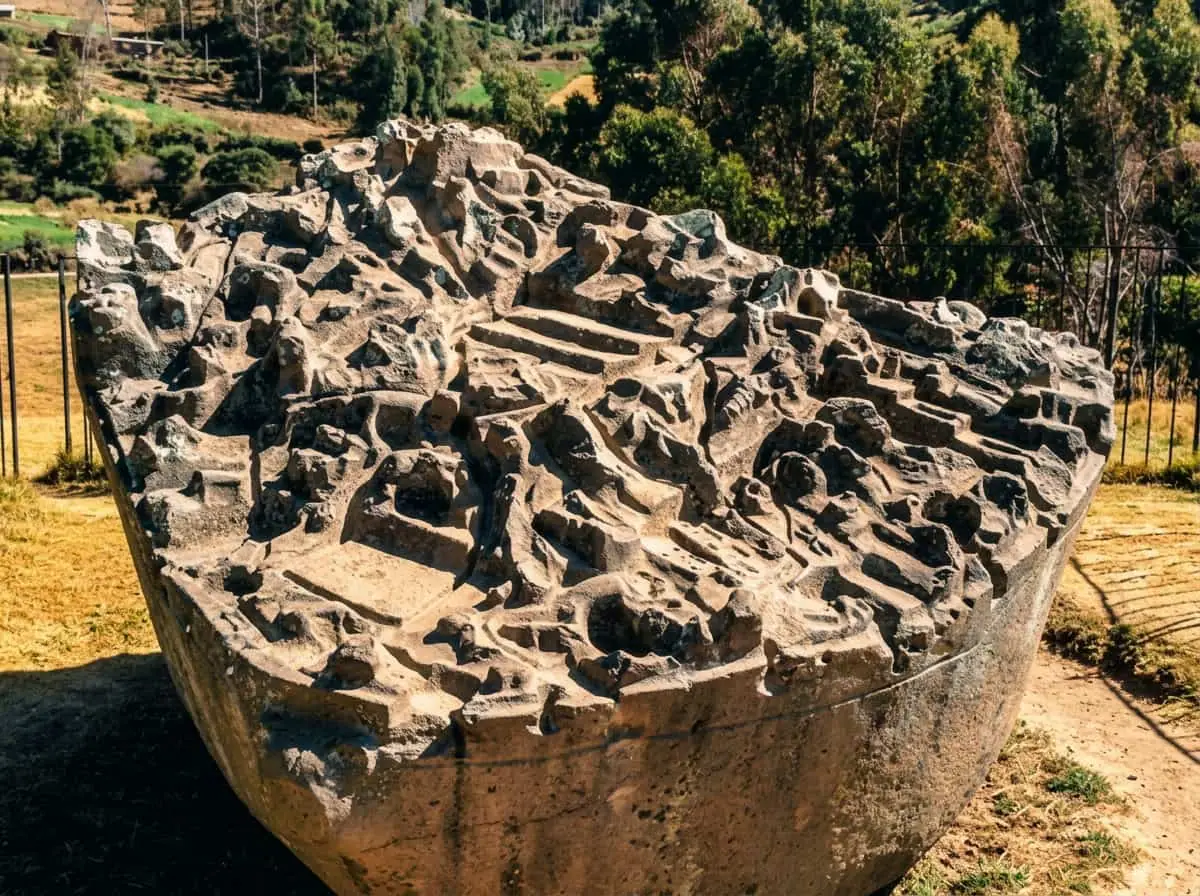
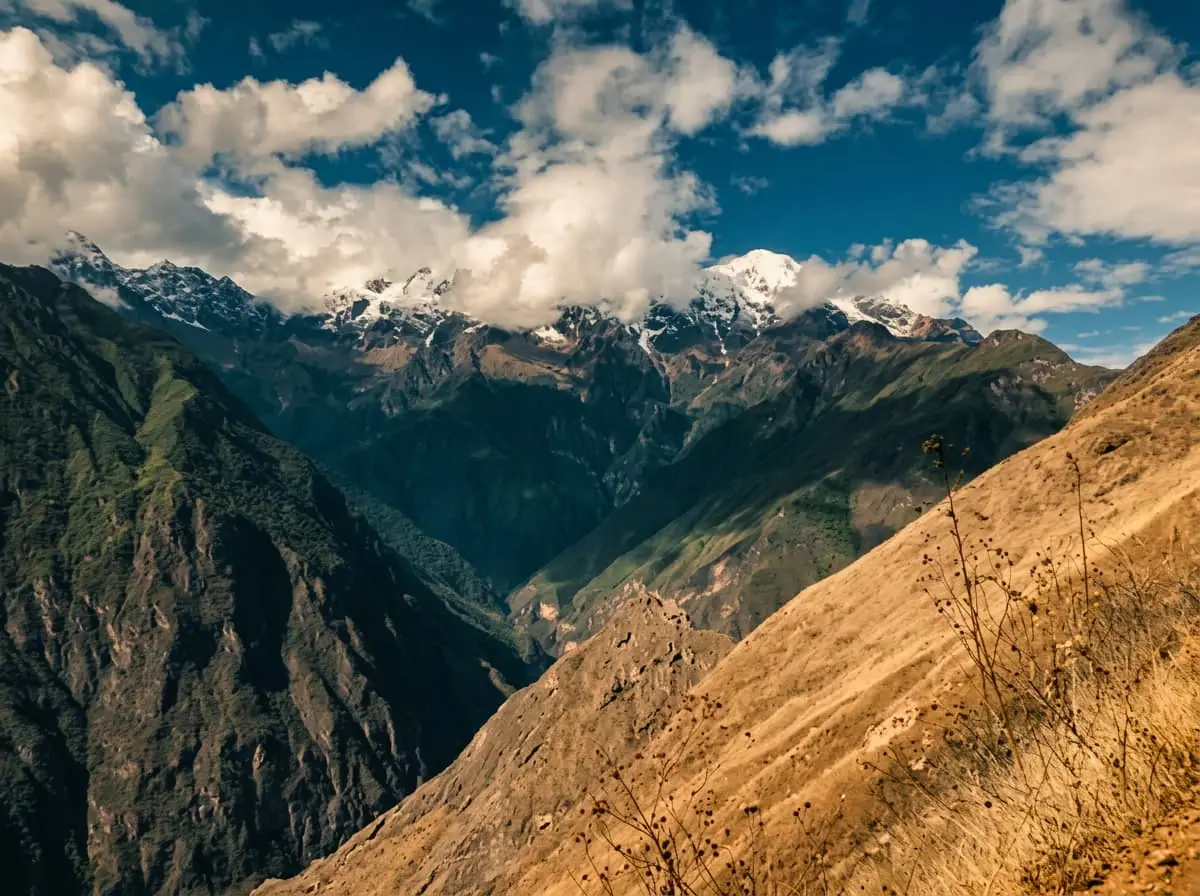
We leave Cusco for the Saywite Archaeological Park to admire the famous stone carved by the Incas. After lunch in Cachora, overlooking the Apurimac Canyon and the Padreyoc snow peak, we descend through the Cocamasana viewpoints down to Chikiska.

The Climb to Marampata
The big day of the trek: we drop down to Playa Rosalina on the banks of the Apurimac River, cross the bridge and take on the demanding climb to Santa Rosa and Marampata. It is a 1,500-metre ascent through high-altitude forest, rewarded with a free afternoon and the best views of the canyon.

The Citadel of Choquequirao
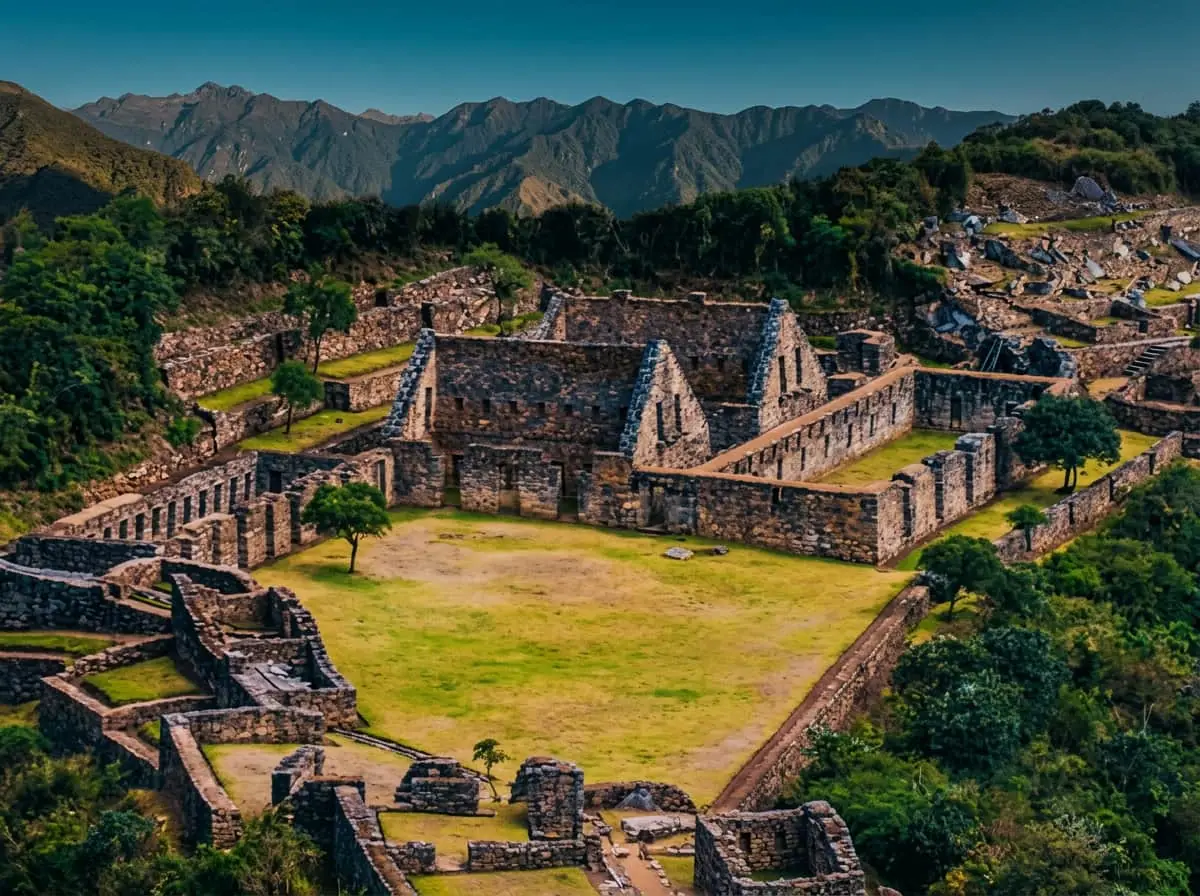
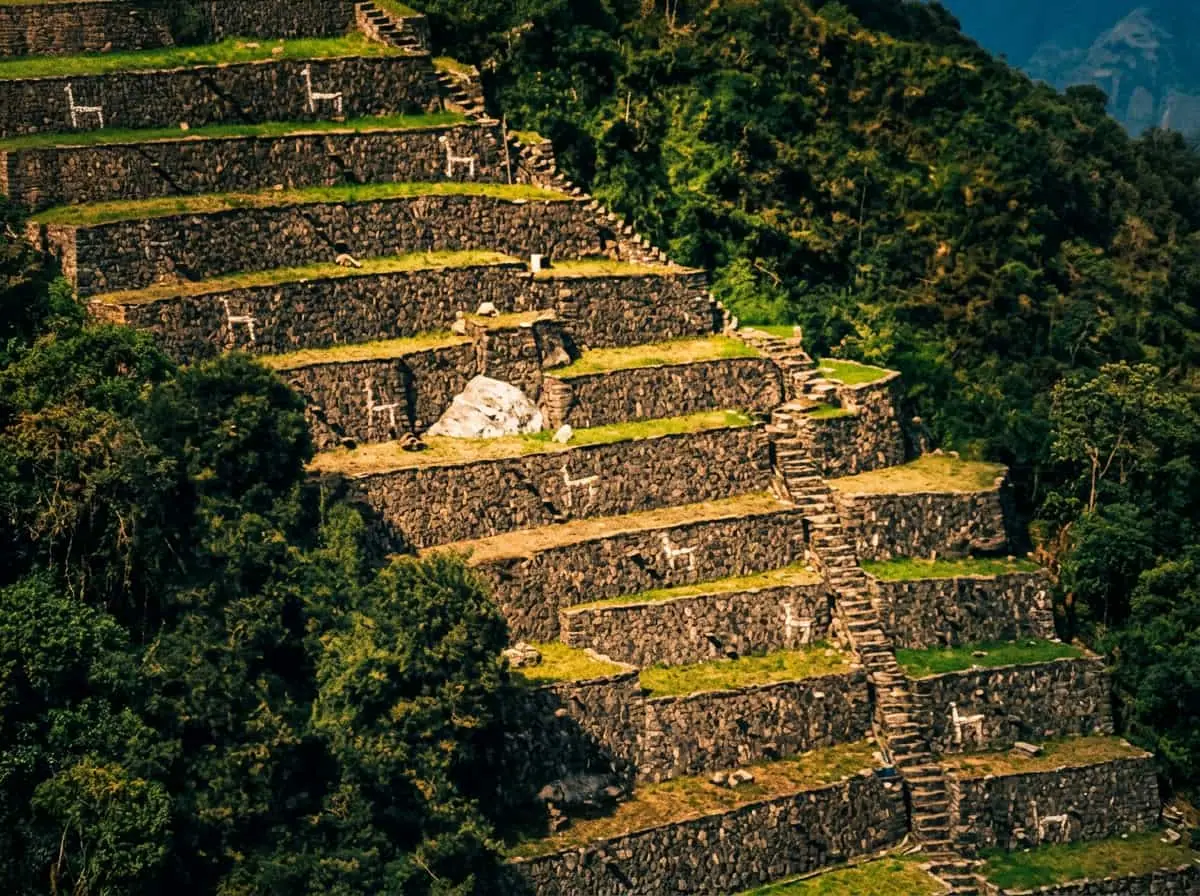
A full morning exploring the main plaza, the temples, the upper platforms and the famous llama terraces. Our muleteer carries lunch up to the archaeological site, so you can enjoy Choquequirao unhurried and, almost always, with nobody else around.

Back Through the Canyon to Capuliyoc
An early descent to the Apurimac River and breakfast in Chikiska before the final 3.5 to 4-hour climb up to Capuliyoc. A well-earned lunch facing the canyon and a private transfer back to Cusco.

Itinerary: day by day
Day 1
Cusco – Cachora – Chikiska
The adventure begins at Plazoleta Regocijo in Cusco at 6:30 am. We drive for 3.5 hours to the Saywite Archaeological Park to admire the stone carved by the Incas and explore its ceremonial centres.
We continue for another hour to Cachora, where we have lunch overlooking the Apurimac Canyon and the Padreyoc snow peak.
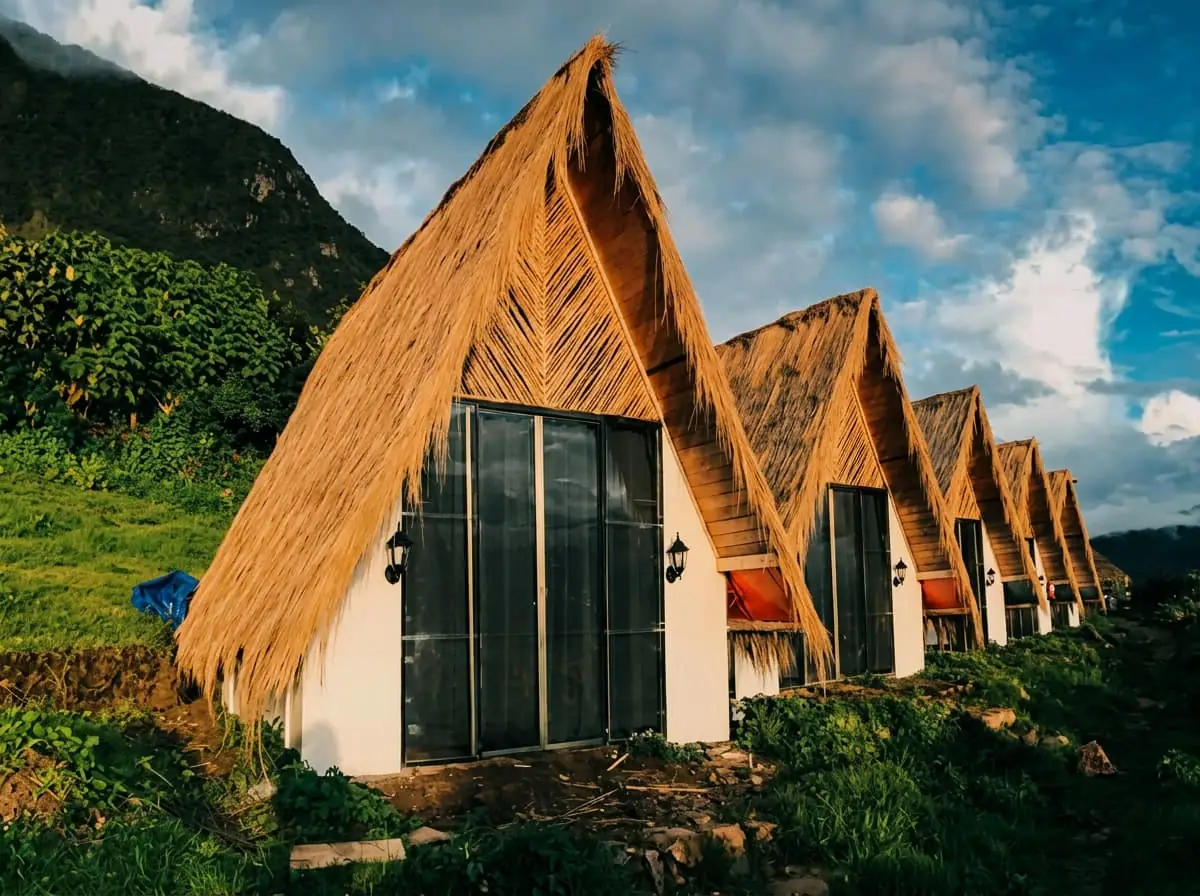
We then begin a 3-hour hike, descending through the Cocamasana viewpoints down to Chikiska. Here we have dinner and spend the night in a rural lodge with double or twin beds.
Includes today:
- Pick-up at your hotel or at Plaza Regocijo
- Transfer Cusco – Cachora
- Choquequirao entrance ticket
- Lunch in Cachora
- Dinner in Chikiska
- Rural lodge in Chikiska
Day 2
Chikiska – Santa Rosa – Marampata
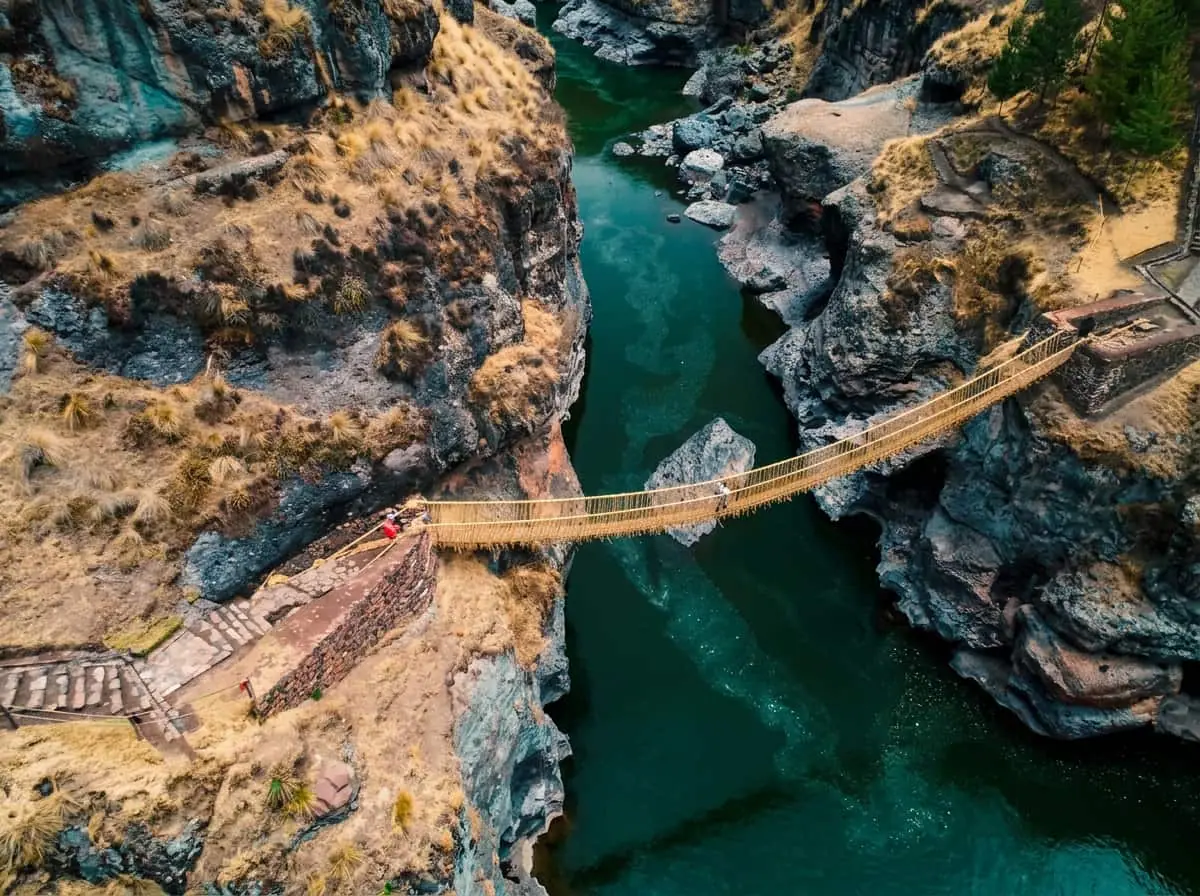
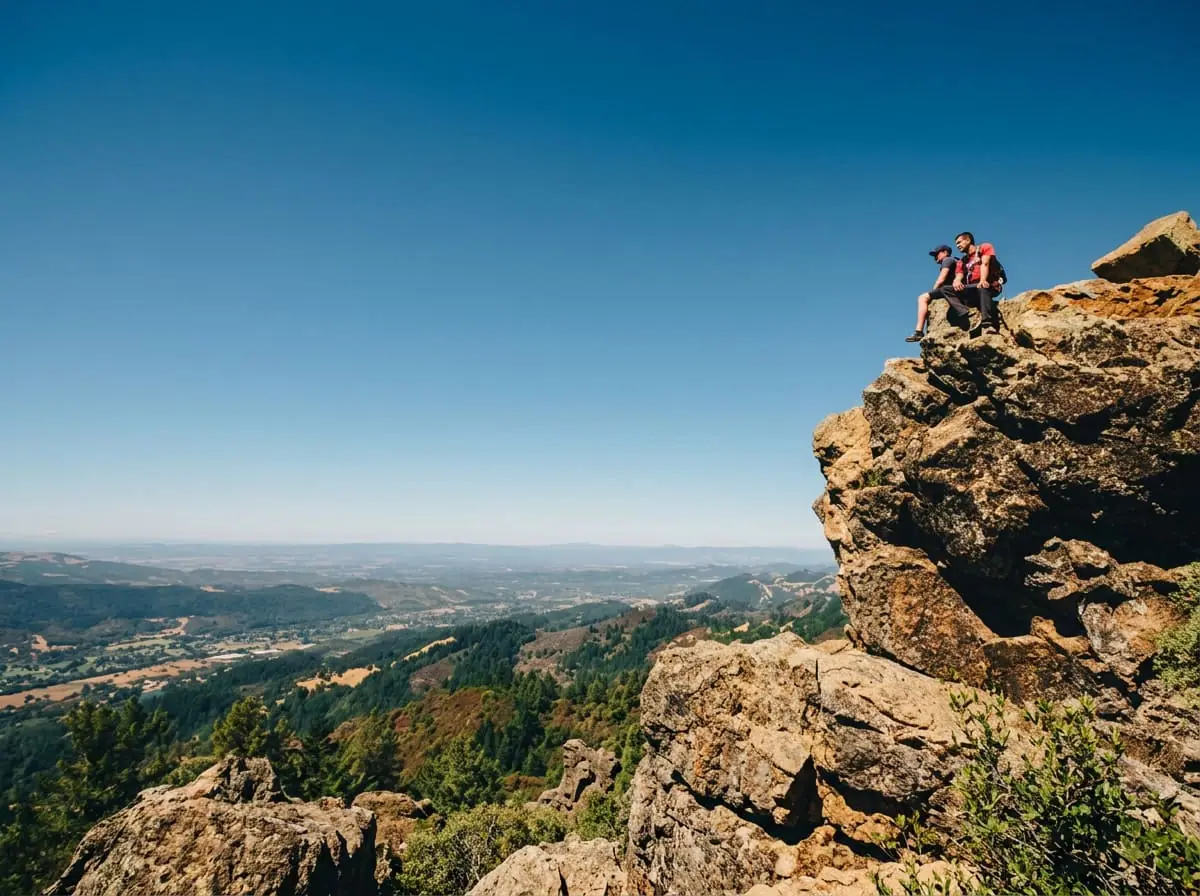
We start early with a revitalising breakfast and descend for one hour to Playa Rosalina, on the banks of the Apurimac River. We cross the river and begin a demanding climb towards Santa Rosa, about 1.5 to 2 hours in the shade.
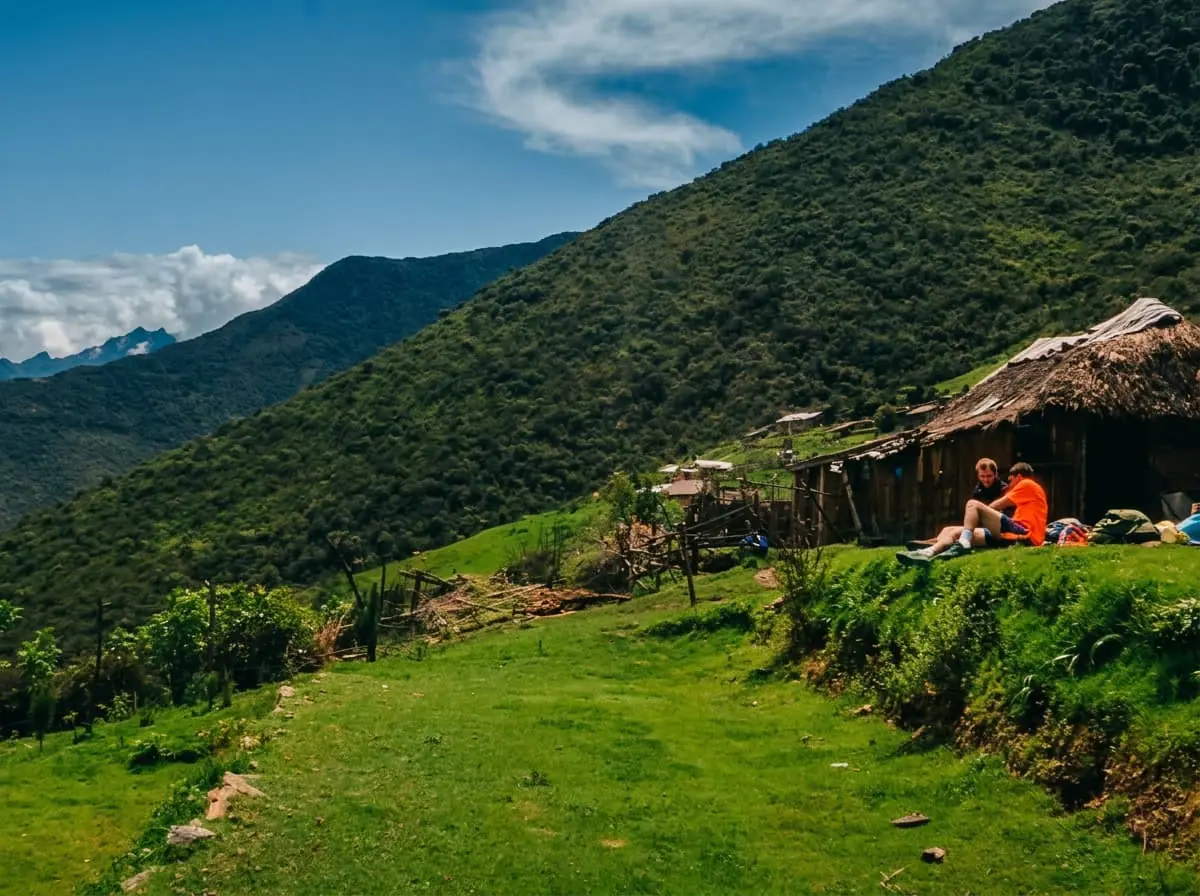
After a short rest we keep climbing for another 1.5 to 2 hours to the village of Marampata, where we have lunch. The afternoon is free to rest after ascending 1,500 metres in 3 to 4 hours.
In the evening we have dinner and spend the night in Marampata.
Includes today:
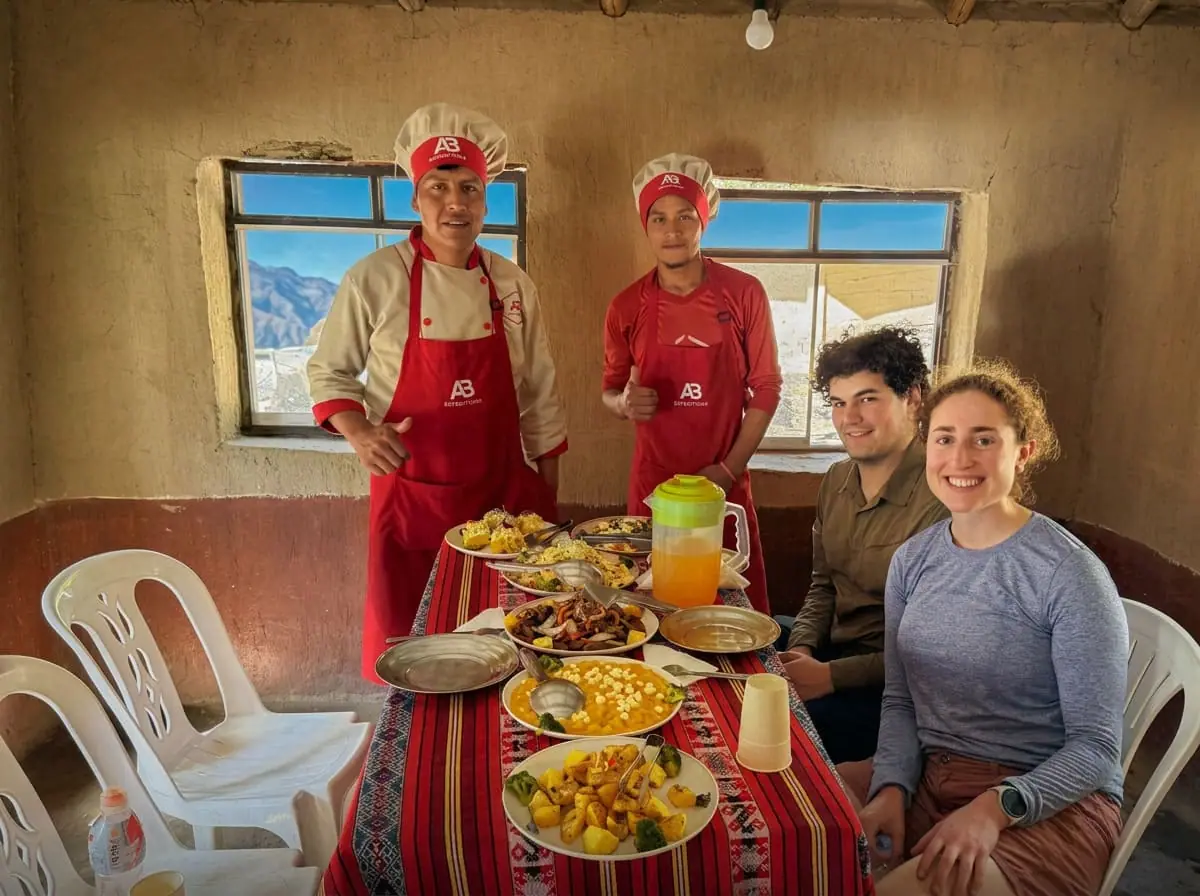
- Breakfast, lunch and dinner
- Specialised bilingual professional guide
- First-aid kit
- Accommodation in Marampata
Day 3
Marampata – Choquequirao – Santa Rosa
After an energising breakfast we head to majestic Choquequirao. We spend the morning exploring all of its main sites, soaking up the history and beauty of the archaeological complex.
Our muleteer brings lunch up to Choquequirao, so we can enjoy a meal in this breathtaking setting.
In the afternoon we return to Marampata and continue descending to Santa Rosa Baja, where we have dinner and spend the night.
Includes today:
- Breakfast, lunch and dinner
- Specialised bilingual professional guide
- First-aid kit
- Accommodation in Santa Rosa

Day 4
Santa Rosa – Capuliyoc – Return to Cusco
We start early with a snack before descending for 1.5 hours to the Apurimac River, then continue for another hour to Chikiska, where we stop for breakfast.
Afterwards we begin the 3.5 to 4-hour climb up to Capuliyoc. We arrive in time for a well-earned lunch, and in the afternoon we drive back to Cusco, where the trek ends at around 21:00.
Includes today:
- Breakfast and lunch
- Specialised bilingual professional guide
- First-aid kit
- Transfer Capuliyoc – Cusco
What's included
Includes
- Pick-up at your hotel or at Plaza Regocijo
- Tourist transport Cusco – Cachora
- Tourist transport Capuliyoc – Cusco
- Choquequirao entrance ticket
- Specialised bilingual professional guide
- 3 nights in rural lodges in Chikiska, Marampata and Santa Rosa
- 3 breakfasts, 4 lunches and 3 dinners
- Visit to the Saywite Archaeological Park
- First-aid kit
Not included
- Breakfast on Day 1 and dinner on Day 4
- Saywite Archaeological Park entrance ticket
- Travel insurance and medical assistance
- Horse or pack mule rental
- Sleeping bag and trekking pole rental
- Extra drinks, snacks and personal expenses
- Tips for the guide and support team
What Travelers Say
4.9/5 from 123 reviews on Tripadvisor-
Really unforgettable
“This trip to Cusco was much more than a walk, it was a gift to the soul.”
Katty Marita A · March 2026
-
Recommended Travel
“The Lagoon of 7 Colors exceeded my expectations, a magical place.”
ESTHER MILAGROS C · December 2025
-
Connecting with Peru via VIAJAXMUNDO
“I am deeply grateful for the very personalized and first-rate attention received by the agency VIAJAXMUNDO!”
Vivian Gisela P · September 2025
Excerpts from reviews on Tripadvisor, translated from Spanish by Tripadvisor. Read all reviews on Tripadvisor
How to prepare
Prior acclimatisation is essential
ImportantArrive in Cusco at least one full day in advance. Spend that day resting or on light tours to adapt to the altitude before starting the trek.
Required fitness level
WarningDay 2 climbs 1,500 metres in 3 to 4 hours. We recommend cardiovascular training (hiking or running) in the weeks before your trip.
Choose the best time to travel
Dry season (May to November): sunshine and clear skies, cold nights. Rainy season (December to April): fewer tourists and better prices, but slippery trails. April and May are our favourite months.
Bring cash in soles
ImportantThere are no ATMs or card payments along the route (Chikiska, Santa Rosa, Marampata). Bring cash in soles for extra drinks, showers and tips.
Pack light and use pack animals
On the trek you only carry a daypack. If you hire a horse or pack mule, the rest of your gear travels in duffel bags; luggage you will not need can stay at your hotel in Cusco.
Group departures
This programme runs with group departures every Monday. A deposit of 40% of the tour price confirms your booking.
Packing list
-

Small travel backpack
Ideal for carrying personal items, water, documents and essentials on each day of the trek.
-
Comfortable, lightweight clothing
Comfortable clothing that lets you move easily on walks, sightseeing and outdoor activities.
-

Waterproof jacket or windbreaker
Protects you from sudden weather changes, light rain and wind, especially in the mountains.
-
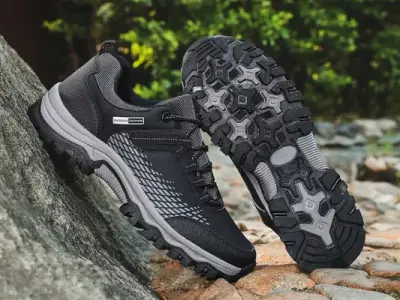
Comfortable walking shoes
Sports or trekking shoes that give comfort and stability on different types of terrain.
-

Sunscreen
Essential to protect your skin from solar radiation at high altitude and during long hours outdoors.
-

Cap or hat
Recommended for sun protection on hikes, at archaeological sites and during outdoor activities.
-

Reusable water bottle
Keeps you hydrated throughout the journey and helps protect the environment.
-

Portable battery
Keeps your phone, camera and other devices charged during the trek.


Frequently asked questions
How difficult is the Choquequirao trek?
It is a challenging trek. Day 2 is the toughest: you descend to the Apurimac River and then climb 1,500 metres in 3 to 4 hours up to Marampata. Days 1 and 3 are moderate.
What is the maximum altitude of the route?
3,040 m on Day 3, during the visit to Choquequirao. Unlike other treks around Cusco, this one never goes above 3,100 m, so altitude sickness is less common than on the Inca Trail or the Salkantay.
When are the departures?
There are group departures every Monday.
How do I book?
With a deposit of 40% of the tour price. The balance is paid before the service begins.
Where do we sleep during the trek?
In rural lodges: Chikiska on the first night (double or twin beds), Marampata on the second and Santa Rosa Baja on the third. There is no camping.
What is the best time of year for this trek?
Any month is possible. Our team recommends April and May for the pleasant weather, blue skies and landscapes in full bloom. The dry season runs from May to November and the rainy season from December to April.
Is Choquequirao crowded?
No. Choquequirao can only be reached on foot, which makes it one of the least visited Inca citadels in Peru. It is common to walk the site almost entirely on your own.
Do I need to acclimatise beforehand?
Yes. We recommend arriving in Cusco at least one day early and spending that day resting or on light tours.
What time do I get back to Cusco?
Around 21:00 on Day 4.
Send us your inquiry
Choquequirao Trek 4 Days, 3 Nights
Important Information
Alternative treks to Machu Picchu
Compare Choquequirao with Salkantay and our other treks that need no Inca Trail permit.
Read more →Cusco travel guide
Where to stay, what to see and how to acclimatise before your trek.
Read more →Cusco day trips
Short tours from Cusco to fill the acclimatisation day before you start hiking.
Read more →


